A healthy lifestyle: tips from a dietitian
5 min readHealth and wellbeing
What is a healthy lifestyle?
A healthy lifestyle is a holistic concept that promotes a person’s wellbeing by bringing several key elements together. First and foremost is nutrition, the foundation of good overall health. Eating healthily means having a varied diet rich in essential nutrients such as vitamins, minerals, protein and fibre. A balanced diet can help prevent chronic conditions such as diabetes and heart disease.
Alongside nutrition, regular exercise is a crucial part of a healthy lifestyle. Physical activity matters not only for maintaining a healthy weight; it also supports cardiovascular health and sharpens the mind. The recommendation is to build at least 150 minutes of moderate aerobic activity into your week, such as walking, cycling or swimming.
Mental health is another essential part of a healthy lifestyle. Managing stress and looking after your emotional wellbeing are key to keeping body and mind in balance. Techniques such as mindfulness, meditation and enough social contact can help reduce stress and improve your overall sense of wellbeing.
Sleep, too, is an often underestimated piece of the puzzle. Enough good-quality sleep is crucial for recovery and for cognitive function. A good night’s rest supports your physical wellbeing, helps you regulate your emotions and improves your focus.
These elements – nutrition, exercise, mental health and sleep – are connected and influence one another in many ways. By looking after each of them, we support not only our own health but also a better quality of life.
The role of nutrition in our health
Nutrition plays a fundamental role in building and maintaining a healthy lifestyle. The nutrients we get from our daily diet, such as carbohydrates, protein, fat, vitamins and minerals, are essential for our bodies to function well. Each of them has specific functions that contribute to our wellbeing. Carbohydrates, for example, are an important source of energy, while protein is crucial for repairing and building tissue. Fats, although often unfairly discouraged, are needed to absorb certain vitamins and provide essential fatty acids that our bodies cannot make themselves.
A balanced diet includes a variety of food groups so that your body receives all the nutrients it needs. That means eating plenty of vegetables, fruit, whole grains, lean protein and healthy fats. Staying well hydrated is another key element that is often overlooked. Water is essential for many processes in the body, including digestion, temperature regulation and the transport of nutrients. It is recommended to drink at least 1.5 to 2 litres of water a day, rather than waiting until you feel thirsty.
Poor food choices, on the other hand, can have serious consequences for our health. Eating processed foods high in sugar, salt and unhealthy fats can increase the risk of chronic conditions such as obesity, cardiovascular disease and type 2 diabetes. These choices can also leave you with less energy and a lower mood. To make healthier choices, it helps to plan meals in advance, choose fresh ingredients and learn how to prepare nourishing recipes. This improves your overall health and encourages a positive, lasting relationship with food.
Exercise and physical activity
Exercise and physical activity are a crucial part of a healthy lifestyle. Regular exercise has countless benefits, for both body and mind. Experts recommend that adults do at least 150 minutes of moderate aerobic activity a week, such as walking or cycling. For children and teenagers, the advice is to be active for at least 60 minutes a day, combining aerobic exercise with strength training.
The impact of exercise on health is considerable. Physical activity improves cardiovascular health, strengthens muscles and bones, and helps you maintain a healthy weight. Studies have also shown that regular exercise can reduce stress and anxiety, lift your mood and even boost cognitive function. Making time to move therefore supports your emotional wellbeing as well as your physical health.
There are plenty of practical ways to fit more movement into a busy life. First, make exercise part of your daily routine. That can be as simple as cycling instead of taking the car, using the stairs instead of the lift, or joining a sports team. Another strategy is to take short, regular breaks from sitting, for example by standing up and walking around every 30 minutes. A step counter can also motivate you to be more active, as it gives you a clear picture of your daily activity.
By paying more attention to physical activity, you can make a real contribution to your overall health and wellbeing. It is never too late to start moving, and even small changes can make a big difference.
Tips for maintaining a healthy lifestyle
Maintaining a healthy lifestyle is a process that takes commitment and patience. A good starting point is to set realistic goals. Begin with small, achievable steps, such as adding extra vegetables to your meals or going for a daily walk. This approach makes it easier to stay motivated and track your progress. When setting goals, the SMART method (Specific, Measurable, Achievable, Realistic, Time-bound) can help you stay focused.
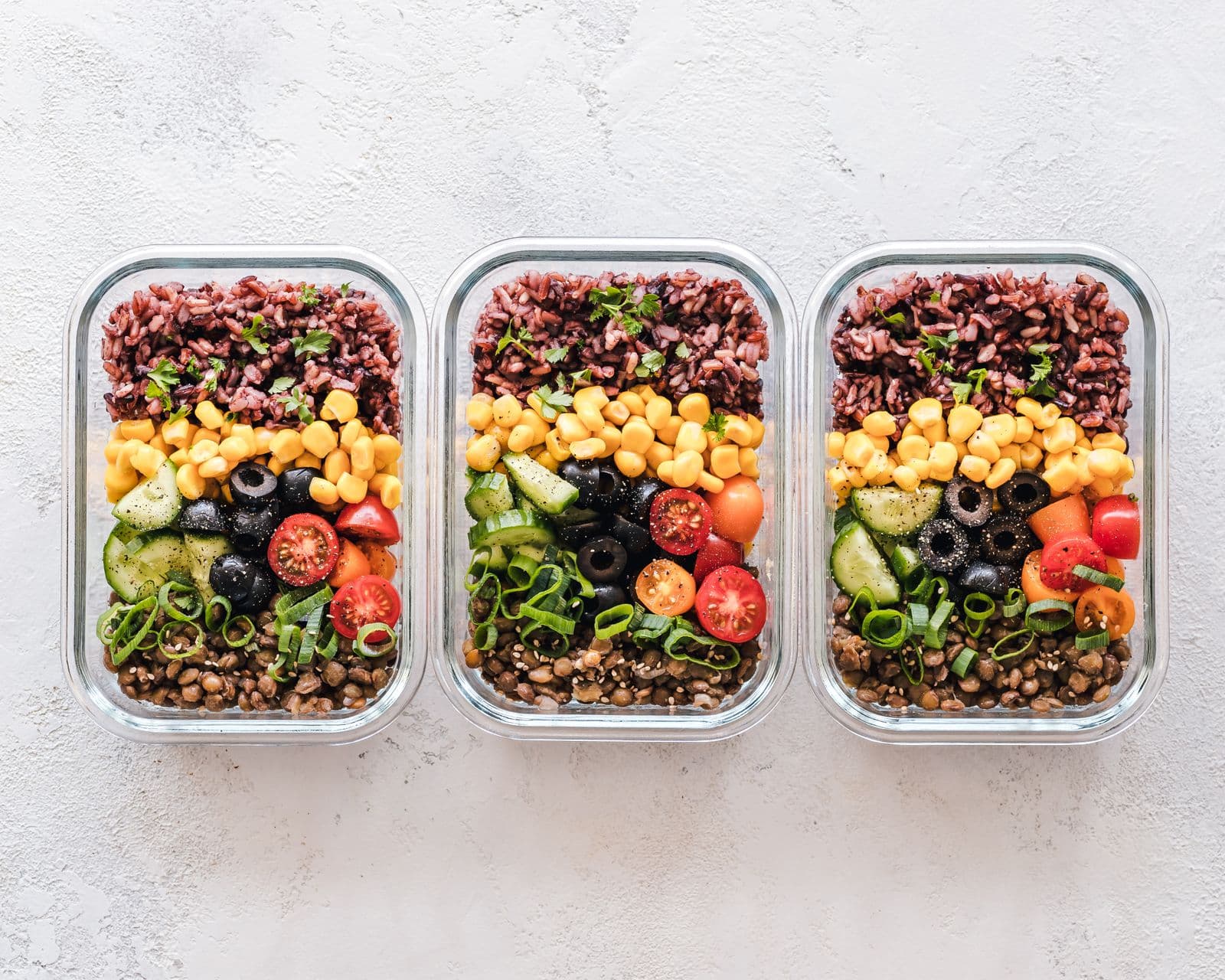
Planning your meals is another effective strategy. Preparing meals in advance helps you make healthier choices and saves time and stress on busy days. Make a shopping list and choose recipes that suit a healthy lifestyle. Using seasonal ingredients can make it both budget-friendly and delicious.
Building a supportive network also plays a crucial role in keeping up healthy habits. Surround yourself with people who share your goals and motivate one another. That might be a group of friends, family members or an online community. Sharing successes and challenges with others gives you a sense of accountability and increases your chances of success.
Challenges and setbacks are a normal part of the process. Try not to see these moments as failures, but as opportunities to learn. Reflect on what you could do differently and adjust your approach where needed. Remember that lifestyle changes take time. Be patient and persistent; in the end, it will lead to a healthier life that lasts.