Effective weight loss strategies: a guide to lasting success
5 min readHealth and fitness
Why weight loss matters
Weight loss is a key part of a healthy life, especially now that obesity and overweight are becoming ever more common. Excess weight is linked to several chronic conditions, including type 2 diabetes, cardiovascular disease and high blood pressure. Losing weight can lower these health risks and also improve your quality of life. People who lose weight often see their cholesterol levels and blood pressure fall, which benefits the heart. Weight loss can also improve insulin sensitivity, further reducing the risk of diabetes.
Beyond the physical benefits, weight loss has a real psychological and social impact. Many people find that reaching a healthier weight gives their self-confidence a boost. That can encourage them to take a more active part in social life, which in turn supports their mental health. Studies show that people who lose weight successfully develop a more positive self-image and are less critical of their bodies. They often feel more motivated to stay active, which brings further health benefits over time.
It is important to remember that weight loss is not about appearance, but about a healthier and more sustainable life. Changing your eating habits and how much you move can be challenging, yet the rewards are considerable. Surrounding yourself with support, such as friends, family or a support group, can make the journey easier. Try not to focus only on the numbers on the scale, but also on the positive changes in your overall health and wellbeing. Taking this seriously and working towards a healthy weight is well worth the effort.
Setting realistic goals
When it comes to weight loss, setting realistic and achievable goals is essential. Losing weight can be hard, and unrealistic expectations easily lead to disappointment and a loss of motivation. A useful way to shape your goals is the SMART method: Specific, Measurable, Achievable, Realistic and Time-bound. Structuring your goals this way helps you work towards them more effectively.
First, make your goals specific. Instead of saying “I want to lose weight”, a specific goal would be “I want to lose 5 kilograms over the next three months”. That clarity tells you exactly what you are aiming for. Measuring progress matters too: a measurable goal helps you track how you are doing, for example by keeping a record of your weight, your measurements or the number of active days in a week.
Your goals should also be achievable and realistic, meaning they fit your current lifestyle and commitments. Overly ambitious goals can be discouraging; small, manageable steps work better. A time-bound goal adds a sense of urgency by giving you a clear deadline, such as losing a certain number of kilograms within a set period.
To stay motivated, review your progress regularly and adjust your goals when needed. Being flexible makes it easier to deal with setbacks and keeps your motivation up. With these strategies, your weight loss journey becomes more effective and more positive.
Making healthy food choices
Healthy food choices are at the heart of lasting weight loss. It starts with understanding the basics of nutrition, including the right balance of macronutrients: protein, fat and carbohydrates. Protein is essential for building and repairing muscle, fat plays an important role in hormonal health and in absorbing fat-soluble vitamins, and carbohydrates provide the energy you need for daily activities. A balanced diet with these macronutrients in the right proportions supports weight loss and your overall health.
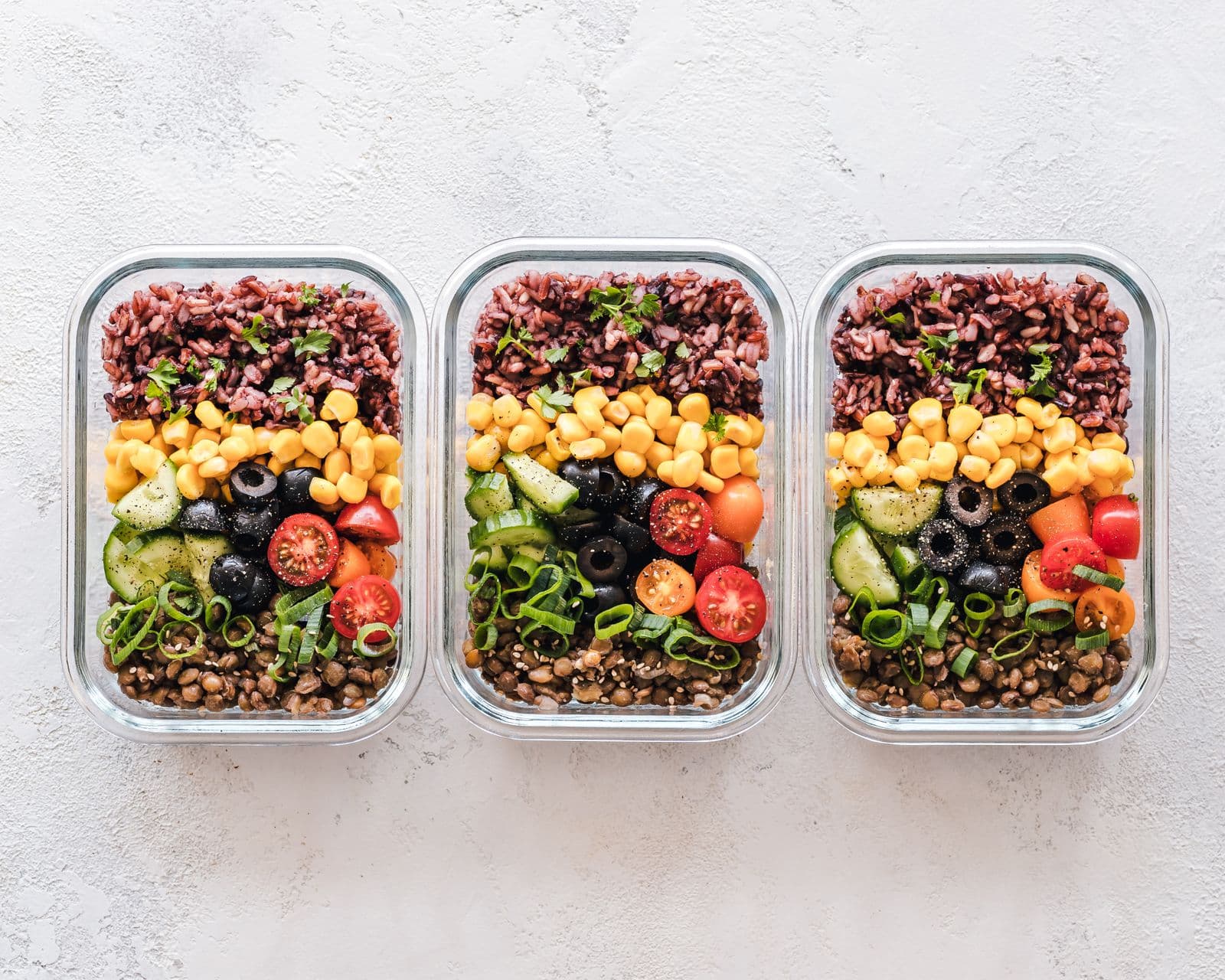
Meal prepping is an effective way to make healthy choices in a busy life. Planning and preparing meals in advance reduces impulse buys and unhealthy choices at the supermarket. It takes the stress out of cooking after a long day and means there is always a healthy option to hand. Use a variety of vegetables, whole grains, lean meat and healthy fats so your meals are both nourishing and tasty.
It also pays to read food labels. They help you make informed choices and avoid hidden sugars and unhealthy saturated fats. Recognising ingredients and understanding portion sizes are valuable skills for everyone.
When eating out, you can still make healthy choices by looking at the menu beforehand and opting for grilled or steamed dishes rather than fried ones. Finally, do not forget the role of hydration. Drinking enough water supports digestion and can help reduce feelings of hunger, which also helps with weight loss.
Building movement and activity into your lifestyle
Physical activity plays a crucial role in losing weight and maintaining a healthy weight. Regular exercise burns calories and contributes to better overall health. There are many types of exercise you can fit into your routine. Cardio training such as running, cycling or swimming improves the fitness of your heart and lungs, which increases your overall energy expenditure. It is widely recommended because it boosts your metabolism and lowers the risk of chronic disease.
Strength training is another important part of a successful weight loss strategy. Stronger muscles improve your body composition and raise your basal metabolic rate, so your body burns more calories, even at rest. You can do this with weights or with bodyweight exercises such as push-ups and squats. Flexibility exercises such as yoga or pilates are valuable too: they improve your range of motion and reduce the risk of injury, which helps you stay active in the long run.
Fitting these kinds of exercise into daily life can be a challenge, especially with a busy schedule. Look for simple solutions, such as taking the stairs instead of the lift or going for a short walk during your coffee break. Planning weekly activities with friends or family can also give you the social support many people need to stay motivated. Exercising together increases not only your activity but also your sense of connection, which is essential for healthy, lasting weight loss.